



CR! Christ is Risen! Peace be with you!
May the Lord bless you!
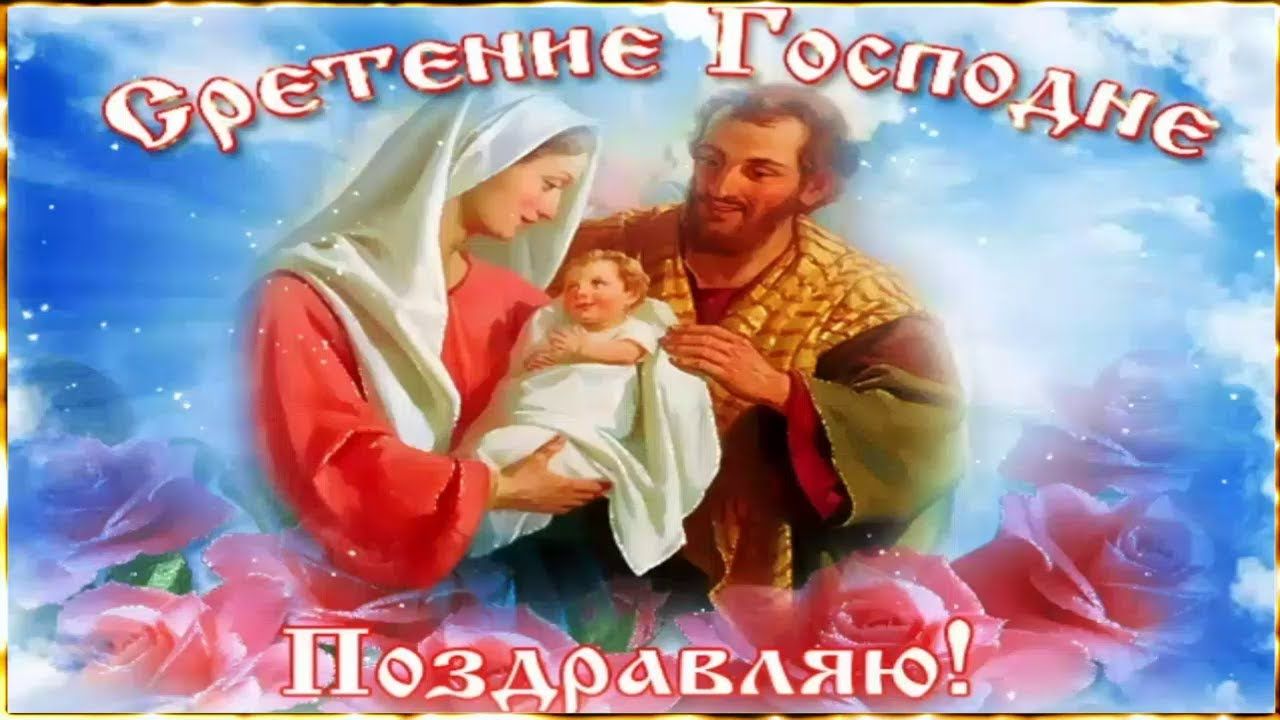
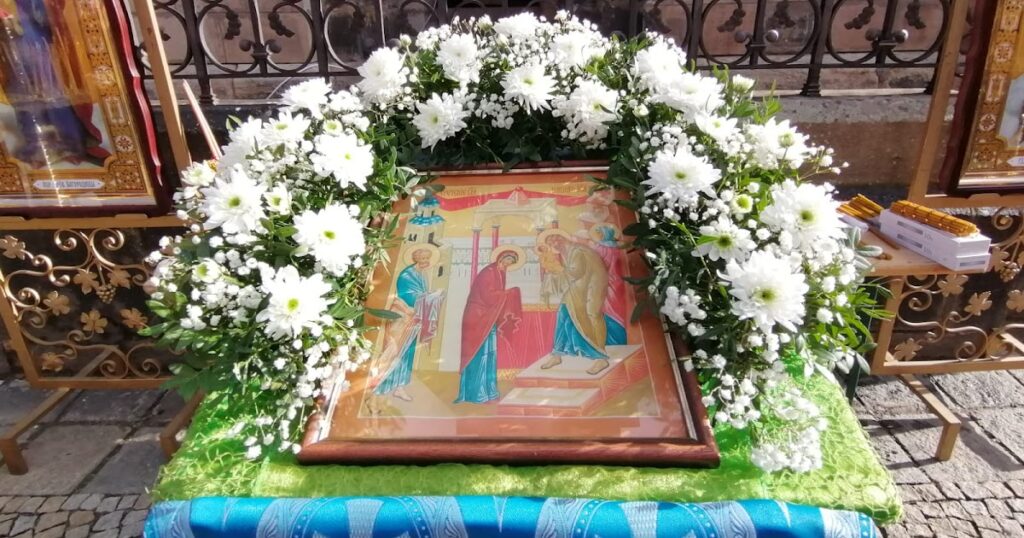
Today we celebrate the Meeting of the Lord — one of the most important feasts of the Orthodox Church, symbolizing the encounter between humanity and God.
American English

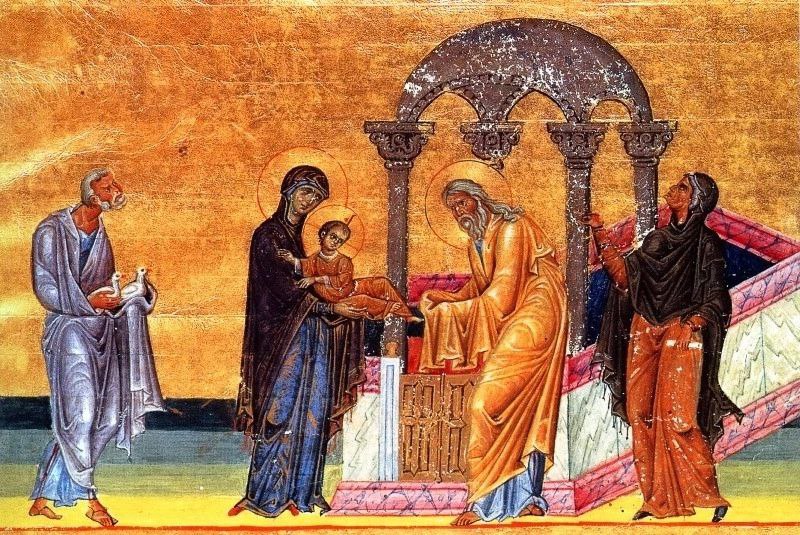
The Meeting of the Lord is a holiday celebrated on February 15th (according to the new calendar), symbolizing the meeting between humanity and God. On this day, we commemorate the event described in the Gospel of Luke, when forty days after Jesus' birth, his parents brought the infant to the Jerusalem Temple. There they were met by the righteous Simeon and the prophetess Anna, who recognized Jesus as the Messiah promised to Israel. This feast marks the beginning of Christ's preaching and symbolizes the encounter between the Old Testament and the New, indicating that God comes to people through His Son to save them.The New Testament does not completely replace the Old Testament. Rather, it complements and develops it. This is because Christianity sees the fulfillment of promises and prophecies given in the Old Testament in the New Testament.

Key points:

Fulfillment of Prophecies: Many events in the New Testament are seen as fulfillments of predictions found in the books of the Old Testament. For example, Jesus' birth in Bethlehem, His sufferings, and resurrection had been foretold by prophets long before these events occurred.
Continuation of Tradition: Christians believe that the New Testament builds upon the teachings of the Old Testament but also introduces new aspects such as salvation through Jesus Christ and the establishment of a new form of relationship between man and God.
Transition from Law to Grace: In the New Testament, the emphasis shifts from following external laws (as was done in the Old Testament) to inner transformation through faith and grace.

Thus, one can say that the New Testament reveals a deeper meaning and purpose of the Old Testament, showing how ancient prophecies are fulfilled through Jesus Christ and a new path of salvation for all people is opened.

"The meeting of the New and Old Testaments" within the context of the Feast of the Presentation means the symbolic union of two epochs in religious history and sacred scriptures. This moment reflects the transition from an era of waiting for the Messiah, which lasted centuries according to the prophecies of the Old Testament, to the commencement of their fulfillment with the arrival of Jesus Christ, marking the beginning of the New Testament.

What happens at the Presentation? When Mary and Joseph bring baby Jesus to the Jerusalem Temple, they meet the righteous elder Simeon and the prophetess Anna there. These two characters represent believers who lived under the laws of the Old Testament and awaited the coming of the Messiah. When Simeon takes the baby Jesus into his arms, he utters words known as "Now you may dismiss" ("Nunc Dimittis"), expressing gratitude for being allowed to see the Savior before his death.

Significance of this meeting:

Symbolism of Transition: The meeting symbolizes the end of one stage (the Old Testament) and the beginning of another (the New Testament). Righteous people who lived under Moses' law finally witness the fulfillment of ancient prophecies.
Union of Traditions: On one hand, it acknowledges that the Old Testament has its important place in the history of faith since it prepared the ground for the coming of the Messiah.On the other hand, it marks the start of a new era where the teachings of Jesus Christ and His sacrifice for human salvation become central.
Therefore, the Presentation shows how two eras—the Old Testament and the New—come together in one event, symbolizing continuity and development of religious doctrine.
British English

The Meeting of the Lord is a festival celebrated on 15th February (according to the new calendar), symbolising the meeting between humanity and God. On this day, we remember the event described in the Gospel of Luke, when forty days after Jesus' birth, his parents took the infant to the Jerusalem Temple. There they encountered the righteous Simeon and the prophetess Anna, who recognised Jesus as the Messiah promised to Israel. This feast marks the beginning of Christ's ministry and symbolises the encounter between the Old Testament and the New, signifying that God comes to people through His Son to save them.
The New Testament does not entirely replace the Old Testament. Instead, it complements and develops it. This is because Christianity views the New Testament as fulfilling the promises and prophecies given in the Old Testament.

Key points:

Fulfilment of Prophecies: Many events in the New Testament are regarded as fulfilments of predictions contained in the books of the Old Testament. For instance, Jesus' birth in Bethlehem, His suffering, and resurrection were predicted by prophets long before these events transpired.
Continuity of Tradition: Christians believe that the New Testament is based on the teachings of the Old Testament but also introduces new elements, such as salvation through Jesus Christ and the establishment of a new type of relationship between humans and God.
Shift from Law to Grace: In the New Testament, the focus moves away from adhering to external laws (as was the case in the Old Testament) towards internal transformation through faith and grace.

Thus, it can be said that the New Testament unveils a deeper meaning and purpose of the Old Testament, demonstrating how ancient prophecies are realised through Jesus Christ and a new path of salvation for all mankind is revealed.

"The meeting of the New and Old Testaments" within the context of the Feast of the Presentation represents the symbolic convergence of two epochs in religious history and sacred writings. This moment captures the transition from an age of anticipation of the Messiah, which spanned centuries according to the prophecies of the Old Testament, to the commencement of their realisation with the advent of Jesus Christ, heralding the dawn of the New Testament.

What occurs during the Presentation? When Mary and Joseph present the baby Jesus at the Jerusalem Temple, they are greeted by the venerable elder Simeon and the prophetess Anna. These two figures embody those who lived by the laws of the Old Testament and eagerly awaited the arrival of the Messiah. As Simeon holds the infant Jesus, he speaks the words known as "Nunc Dimittis" ("Now You May Dismiss"), expressing gratitude for having witnessed the Saviour before his passing.

Significance of this meeting:

Symbolic Transition: The meeting symbolises the conclusion of one phase (the Old Testament) and the inception of another (the New Testament). Righteous individuals who followed Moses' law finally observe the fulfilment of ancient prophecies.
Unification of Traditions: On the one hand, it recognises that the Old Testament holds significant importance in the history of faith, having laid the foundation for the Messiah’s arrival.On the other hand, it inaugurates a new era where the teachings of Jesus Christ and His sacrifice for humankind’s redemption take centre stage.

Consequently, the Presentation illustrates how two ages—the Old Testament and the New—merge in a single event, symbolising the continuation and evolution of religious teaching.
Australian English

The Meeting of the Lord is a celebration held on 15th February (according to the new calendar), representing the meeting between humanity and God. On this day, we recall the event recounted in the Gospel of Luke, when forty days after Jesus’ birth, his parents presented the infant at the Jerusalem Temple. They were welcomed by the righteous Simeon and the prophetess Anna, who acknowledged Jesus as the Messiah promised to Israel. This feast marks the commencement of Christ’s preaching and symbolises the encounter between the Old Testament and the New, indicating that God approaches people through His Son to redeem them.The New Testament doesn’t fully supplant the Old Testament. Rather, it augments and elaborates on it. This is due to the fact that Christianity perceives the New Testament as actualising the promises and prophecies bestowed in the Old Testament.

Key points:

Fulfilling Prophecies: Numerous occurrences in the New Testament are viewed as the fulfilment of forecasts documented in the Old Testament. For example, Jesus’ birth in Bethlehem, His tribulations, and resurrection were foreseen by prophets well before these events materialised.
Perpetuating Tradition: Christians maintain that the New Testament is grounded in the teachings of the Old Testament but simultaneously introduces novel concepts, like salvation through Jesus Christ and the establishment of a fresh form of rapport between humans and God.
Shifting from Law to Grace: Within the New Testament, the emphasis transitions from observing external laws (as practised in the Old Testament) to inward transformation via faith and grace.

Hence, it can be asserted that the New Testament exposes a more profound significance and objective of the Old Testament, illustrating how antiquated prophecies are accomplished through Jesus Christ and a renewed pathway to salvation for everyone emerges.

"The meeting of the New and Old Testaments" within the context of the Feast of the Presentation denotes the figurative confluence of two periods in religious chronicles and holy texts. This juncture encapsulates the passage from an epoch of anticipating the Messiah, which extended over centuries per the Old Testament’s prophecies, to the onset of their fruition with the appearance of Jesus Christ, initiating the New Testament.

What unfolds during the Presentation? As Mary and Joseph convey the newborn Jesus to the Jerusalem Temple, they come across the pious elder Simeon and the prophetess Anna. These two embodiments epitomise believers who abided by the Old Testament’s statutes and yearned for the Messiah’s advent. Upon cradling infant Jesus in his arms, Simeon utters the words famously known as "Nunc Dimittis" ("Now You May Dismiss"), expressing his gratitude for having witnessed the Saviour before his own passing.

Significance of this meeting:

Symbolic Transition: The meeting symbolises the culmination of one era (the Old Testament) and the inauguration of another (the New Testament). Devout individuals who adhered to Moses' law ultimately behold the realisation of ancient prophecies.
Unification of Traditions: On one hand, it acknowledges the vital role of the Old Testament in the annals of faith, as it paved the way for the Messiah's arrival.On the other hand, it ushers in a new epoch wherein the doctrines of Jesus Christ and His sacrificial act for humankind's deliverance assume prominence.

In essence, the Presentation exemplifies how two distinct eras—the Old Testament and the New—converge in a singular event, emblematic of the perpetuation and advancement of theological instruction.
Успенский Храм в Праге.