



✝️ Христос воскресе! Аллилуиа! Christ is risen! Hallelujah! ?
✝️ Слава Иисусу Христу! Glory to Jesus Christ! ?
✝️ Мир и благодать вам от Бога! Peace and grace to you from God! ??
Воистину воскресе Христос! Truly Christ is risen! ??
31 августа 2025 г. ( 18 августа ст.ст.), воскресенье.
Неделя 12-я по Пятидесятнице. Глас 3-й.
Поста нет.
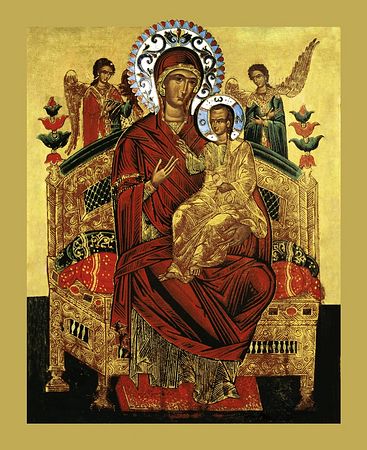
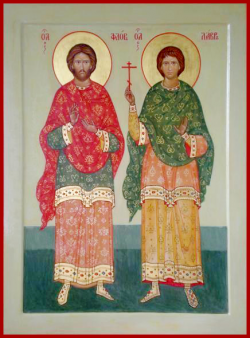
Попразднство Успения Пресвятой Богородицы. Мчч. Флора и Лавра Иллирийских (II). Мчч. Е́рма, Серапиона и Полие́на Римских (II). Сщмч. Емилиана епископа и с ним Илариона, Дионисия и Ерми́ппа (ок. 300). Свтт. Иоанна (674) и Георгия (683), патриархов Константинопольских. Прп. Макария, игумена Пеликитского (ок. 830). Прп. Иоанна Рыльского (946). Собор Кузбасских святых (переходящее празднование в воскресенье перед* 18 августа). Сщмч. Григория Бронникова пресвитера и мчч. Евгения Дмитриева и Михаила Ерегодского (1937). Иконы Божией Матери, именуемой «Всецарица» (монастырь Ватопед на Афоне). Иконы Божией Матери, именуемой «Прибавление ума» (переходящее празднование в 1-е воскресенье после 15 августа). Прп. Макария, игумена Пеликитского (ок 830). Прп. Варнавы и племянника его прп. Софрония, монахов (Греч.). Прп. Христофора, игумена (Греч.). Прп. Софрония, Аннинского, Афонского (18 век) (Греч.). Мч. Иулиана (Греч.). Мч. Льва (Греч.). Новомчч. архим. Августина из Оранского м-ря, прот. Николая из Ниж. Новгорода и 15 чел. с ним (1918). Свв. прпп. Варнавы, Софрония и Кристофера (412) (Греч.). Св. Агапия, еп. Галатийского (1752) (Иерусалим., Греч.). Обретение мощей св. прп. Арсения Нового Паросского (1938) (Греч.). Св. прпп. Агапия и Софрония, калливадов, аскетов (1852) (Греч.). Свв. нищих мчч., убиенных имп. Лицинием за уничтожение идолов языческого храма (2 век). 4 свв. прпп. аскетов (Греч.). Св. новомч. Константина из каппуаса (деревни, сельского поселения) в Фессалии (1610) (Греч.). Св. новомч. Матфея Геракарийского, Критского (1697 или 1700) (Греч.).
August 31, 2025 (August 18, Old Style), Sunday.
12th Sunday after Pentecost. Tone 3.
No fasting.
Afterfeast of the Dormition of the Most Holy Theotokos. Martyrs Florus and Laurus (2nd century). Martyrs Hermas, Serapion, and Polyeuctus of Rome (2nd century). Hieromartyr Emilian, bishop, and with him Hilarion, Dionysius, and Hermippus (circa 300). Hierarchs John (674) and George (683), Patriarchs of Constantinople. Venerable Macarius, abbot of Pelikete (circa 830). Venerable John of Rila (946). Synaxis of the Kuzbass Saints (movable celebration on the Sunday before* August 18). Hieromartyr Gregory Bronnikov, priest, and martyrs Eugene Dmitriev and Michael Yeregodsky (1937). Icon of the Mother of God called “Pantanassa” (Queen of All) (Vatopedi Monastery on Mount Athos). Icon of the Mother of God called “Increase of Mind” (movable celebration on the 1st Sunday after August 15). Venerable Macarius, abbot of Pelikete (circa 830). Venerable Barnabas and his nephew Venerable Sophronius, monks (Greek). Venerable Christopher, abbot (Greek). Venerable Sophronius of Anninos, Athos (18th century) (Greek). Venerable Arsenius the New of Paros (Greek). Martyr Julian near Strovilos (Greek). Martyr Leo (Greek). New Martyrs Archimandrite Augustine of Oran Monastery, Protopresbyter Nicholas of Nizhny Novgorod, and 15 companions (1918). Saint Agapios the Galatist the Hieromartyr (1752) (Greek). Saints Barnabas, Sophrony and Christopher (412) (Greek). The Finding of the Relics of St. Arsenios the New of Paros (1938) (Greek). Saints Agapios and Porphyrios the Kollyvades the ascetics (1852) (Greek). Saint Constantine from Cappoas (Greek). Holy poor martyrs, killed by Emperor Licinius for destroying the idols of a pagan temple (2nd century). Four holy venerable ascetics (Greek). Holy new martyr Constantine from Kappuas (a village, rural settlement) in Thessaly (1610) (Greek). Holy new martyr Matthew of Heraklion, Crete (1697 or 1700) (Greek).
Преподобный Арсений Паросский (Новый) (Сергиадис) был духовным отцом монастырей Лонговардов, Святого Георгия и женского Преображенского монастыря на острове Парос, где прожил 37 лет до своей кончины 31 января 1877 года. 18 августа 1938 года произошло обретение мощей преподобного Арсения Паросского (Нового) (Сергиадис).
После смерти святого, которая наступила 31 января 1877 года, три дня люди приходили приложиться к его телу, а затем мощи были перенесены к месту погребения, которое он сам избрал — Преображенскому монастырю на Паросе.
Жители Пароса стали почитать старца святым вскоре после смерти, хотя официальное прославление произошло только в 1967 году.
Память Арсения Паросского Нового в Греческой церкви отмечается 31 января и 18 августа (день перенесения мощей).
Translation to English ☦️ ?
Venerable Arsenios of Paros (the New) (Sergiadis) was the spiritual father of the monasteries of Longovardos, Saint George, and the women’s Transfiguration Monastery on the island of Paros, where he lived for 37 years until his death on January 31, 1877.
On August 18, 1938, the relics of Venerable Arsenios of Paros (the New) (Sergiadis) were discovered.
After the saint’s death, which occurred on January 31, 1877, for three days people came to venerate his body, and then the relics were transferred to the burial place he had chosen himself—the Transfiguration Monastery on Paros.
The inhabitants of Paros began to venerate the elder as a saint soon after his death, although official canonization occurred only in 1967.
The memory of Arsenios of Paros the New is commemorated in the Greek Church on January 31 and August 18 (the day of the translation of the relics). ??
Святые бедняки-мученики (Пениты). Άγιοι Πένητες Μάρτυρες
Святые мученики Пениты были сожжены Лицинием, потому что разрушили идолов в храме. Этот храм построили святые Флор и Лавр (см. 18 августа). Однако деньги, которые этот царь дал им на строительство храма, святые отдали многочисленным бедным, которые затем, по совету святых Флора и Лавра, разрушили идолов в храме и, так сказать, превратили его в христианский.
The Holy Pente-whistlemen were killed by Licinius by fire for destroying the idols of the temple. This church was built by Saints Floros and Lavros. But the money that this king gave them for the construction of the temple, the saints gave to this crowd of the poor, who, afterwards, at the urging of Saints Floros and Louros, destroyed the idols of the temple and turned him, in a way, into a Christian one.
«Каппуас» (в греческом варианте: Καππούα или Kappoua) — это название небольшой деревни в Греции.
- Расположение: Она находится в регионе Фессалия (Thessaly), в муниципалитете Палама (Palamas), недалеко от города Кардица (Karditsa).
- Контекст: В фразе «Константинос Каппуас из Фессалии» это указывает на происхождение человека — вероятно, Константинос родом из этой деревни. Каппуа — типичное сельское поселение в Греции, известное своим спокойным образом жизни и сельским хозяйством (например, выращиванием оливок и винограда).
«Kappouas» (in Greek: Καππούα or Kappoua) is the name of a small village in Greece.
Location: It is situated in the Thessaly region, within the municipality of Palamas, near the city of Karditsa.
Context: In the phrase «Konstantinos Kappouas from Thessaly,» this indicates the person’s origin — likely, Konstantinos is from this village. Kappoua is a typical rural settlement in Greece, known for its peaceful lifestyle and agriculture (such as olive and grape cultivation).
? ? ? ? ? ? ? ✨
☦️ ? ? ? ? ? ?
?️ ? ? ? ?❤️?
?? ? ✝️ ?
? ? ?