
✝️ — Христос раждается! Славьте Его! ???
✝️ — Christ is born! Praise Him! ❤️??
✝️ Слава и хвала Тебе, Господи Боже наш, во веки! Аминь. ?❤️?
☦️ О, Пресвятая Дево Богородице, слава и хвала Тебе! Аминь. ???
✝️ Glory and praise to You, Lord our God, forever and ever! Amen. ??
☦️ O Most Holy Virgin Theotokos, glory and praise to You! Amen. ??
☦️ Мир вам от Господа Бога! ?
☦️ Peace be with you from the Lord God! ?
7533 год от сотворения мира и Адама Господом Богом, индикт 4-й, если считать, что Господь наш и Спаситель Иисус Христос, истинный Мессия, родился в 5508 году от сотворения мира.
7534 год от сотворения мира и Адама Господом Богом, индикт 4-й, если считать, что Господь наш и Спаситель Иисус Христос, истинный Мессия, родился в 5509 году от сотворения мира.
7526 год от сотворения мира и Адама Господом Богом, если считать, что Господь наш и Спаситель Иисус Христос, истинный Мессия, родился в 5501 году от сотворения мира. Так учил прп. Максим Исповедник.
26 декабря 2026 года от Рождества Христова по Юлианскому календарю, Четверг / 8 января 2026 года от Рождества Христова по Григорианскому календарю.
Седмица 31-я по Пятидесятнице (ев. чтения 32-й седмицы). Глас 5-й.
Святые дни (Святки).
12-ти дневный праздничный рождественский период. «Рождественские праздники». Так было в 12-13 веках в Средневековой Англии.
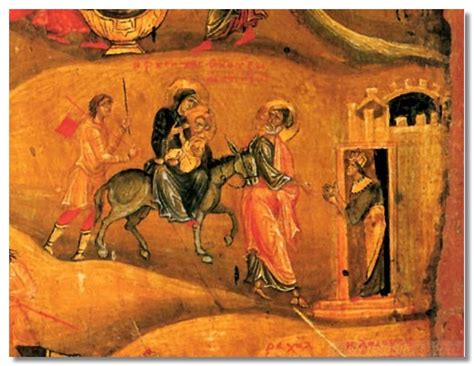
Попразднство Рождества Христова. Собор Пресвятой Богородицы. Сщмч. Евфимия, еп. Сарди́йского (ок. 840). Прп. Константина Сина́дского (VIII). Прп. Еваре́ста (825). Прп. Никодима Тисманского (1406) (Румын.). Прмч. Исаакия II (Бобрикова), Оптинского (1938). Сщмчч. Александра Волкова и Димитрия Чистосердова пресвитеров (1918); сщмчч. Николая Тарбеева, Михаила Чельцова, Николая Залесского пресвитеров и Михаила Смирнова диакона (1930); сщмчч. Леонида, еп. Марийского, Александра Крылова пресвитера, прмч. Василия Мазуренко, прмцц. Анфисы Сысоевой и Макарии Сапрыкиной (1937); сщмч. Григория Сербаринова пресвитера, прмцц. А́вгусты Защук и Марии Лактионовой, мц. Агриппины Лесиной (1938). Виленской-Остробрамской, именуемых «Трех радостей», «Милостивая» и Барловской «Блаженное Чрево» (1392) икон Божией Матери. Прп. Никодима Серба (Серб.). Новосщмч. Константина Русского, в Константинополе (Греч.). Новосщмч. Андрея, еп. Уфимского и новомц. Валентины (1937). Бегство Святого Семейства в Египет.
Литургия св. Иоанна Златоуста.
Богородицы: Евр., 306 зач., II, 11–18. Мф., 4 зач., II, 13–23.
На великой вечерне вход, прокимен великий: «Кто Бог велий, яко Бог наш…».
На утрене оба канона праздника. По 3-й песни канона – кондак, икос и ипакои праздника, по 6-й – кондак «Иже прежде денницы…» с икосом. «Честнейшую» не поем, но поем припевы праздника. Поется великое славословие.
На литургии по входе тропарь праздника «Рождество Твое, Христе Боже наш…», «Слава, и ныне» – кондак, глас 6-й: «Иже прежде денницы…» (этот же кондак читается на часах). Прокимен, глас 3-й: «Величит душа Моя Господа…». Причастен «Избавление посла́ Господь людем Своим».
7533 from the creation of the world and Adam by the Lord God, the 4th indiction, if we consider that our Lord and Savior Jesus Christ, the true Messiah, was born in 5508 from the creation of the world.
7534 from the creation of the world and Adam by the Lord God, the 4th indiction, if we consider that our Lord and Savior Jesus Christ, the true Messiah, was born in 5509 from the creation of the world.
7526 from the creation of the world and Adam by the Lord God, if we consider that our Lord and Savior Jesus Christ, the true Messiah, was born in 5501 from the creation of the world. This is what St. Maximus the Confessor taught.
December 26, 2026 AD according to the Julian Calendar, Thursday / January 8, 2026 AD according to the Gregorian Calendar.
Week 31 after Pentecost (Episcopal Readings for the 32nd Week). Tone 5.
Holy Days (Christmastide).
The 12-day festive period surrounding Christmas. «Christmas Feasts.» This was the case in the 12th and 13th centuries in Medieval England.
Afterfeast of the Nativity of Christ. Synaxis of the Most Holy Theotokos. Hieromartyr Euthymius, Bishop of Sardia (c. 840). New Hiromartyr Constantine of Synada (8th century). Venerable Evarestus (825). Venerable Martyr Nikodemos of Tismana (1406) (Romanian). New Venerable Martyr Isaac II (Bobrikov), of Optina (1938). Hieromartyrs Alexander Volkov and Dimitry Chistoserdov, priests (1918); Hieromartyrs Nikolai Tarbeev, Mikhail Cheltsov, Nikolai Zalessky, priests, and Mikhail Smirnov, deacon (1930); Hieromartyrs Leonid, Bishop of Mari, Alexander Krylov, priest; Hieromartyr Vasily Mazurenko; Hieromartyrs Anfisa Sysoeva and Makaria Saprykina (1937); Hieromartyrs Gregory Serbarinov, priest; Hieromartyrs Augusta Zashchuk and Maria Laktionova; Martyr Agrippina Lesina (1938). The Vilnius-Ostra Brama, called «Three Joys», «Merciful», and Barlov «Blessed Womb» (1392) icons of the Mother of God. Venerable Nikodim the Serb (Serbian). New Hieromartyr Constantine the Russian, in Constantinople (Greek). New Hieromartyr Andrew, Bishop of Ufa, and New Martyr Valentina (1937). The Flight of the Holy Family into Egypt.
Liturgy of St. John Chrysostom.
Theotokos: Hebrews, Section 306, 2:11-18. Matthew, Section 4, 2:13-23.
At Great Vespers, the Entrance, the Great Prokeimenon: «Who is a greater God than our God…»
At Matins, both canons of the feast. After the third ode of the canon, the kontakion, ikos, and hypakoe of the feast are sung; after the sixth ode, the kontakion «Who before the morning star…» with ikos. We do not sing the «More Honorable» hymn, but we sing the refrains of the feast. The Great Doxology is sung.
At the Liturgy, after the Entrance, the troparion of the feast is «Thy Nativity, O Christ our God…», «Glory, both now» – Kontakion, Tone 6: «Who before the morning star…» (this same kontakion is read at the Hours). Prokeimenon, Tone 3: «My soul magnifies the Lord…». Communion is given: «The Lord has sent deliverance to His people.»
В Евангелии Псевдо-Матфея прямо указано, что Иисус чудесным образом сократил дорогу, благодаря чему Святое Семейство быстро достигло города Сотин.
Согласно этому апокрифическому тексту, во время путешествия в Египет Мария присела отдохнуть под высокой пальмой. Иосиф хотел накормить её плодами, растущими на дереве, но не смог их достать. Тогда Иисус повелел пальме наклониться, и Мария смогла утолить голод. Позже, когда Мария сказала, что у них закончилась вода, Иисус приказал пальме: «Пусть из-под корней твоих истечёт источник, который скрыт под землёю, и пусть даст нам воду утолить жажду нашу».
На следующий день, когда Святое Семейство отправилось в путь, Иисус в благодарность пальме произнёс слова благословения. В этот момент произошло чудо: «И сказал Иисус: „Говорю тебе, пальма, и приказываю, чтобы одна из твоих ветвей была отнесена ангелами Моими и посажена в раю Отца Моего…“». Явившийся ангел «взял одну из ветвей, и он полетел в глубину неба, держа эту ветвь в руке».
После этого Иисус чудесным образом сократил дорогу, и Святое Семейство скоро вошло в город Сотин. В этом городе им пришлось укрыться в Капитолии, где стояло множество идолов. Как только Мария внесла туда Младенца, все идолы упали на землю и разбились.
Таким образом, в Евангелии Псевдо-Матфея быстрое прибытие Святого Семейства в Египет объясняется прямым вмешательством Иисуса, который сократил путь.
Евангелие от Псевдо-Матфея написал сам святой евангелист и апостол Матфей. Так считал святой прп. Иероним Стридонский. Он перевел это Евангелие на латинский язык. Он говорил, что святой апостол Матфей по смирению так назвал этот текст. Вообще, с Апокрифами надо быть очень осторожными. Они могут содержать ересь, еретические учения или ложные или вымышленные события.
В Апокрифическом Евангелии детства Иисуса говорится, что Святое Семейство остановилось в Египте в городе Мемфис в доме у некой благочестивой вдовы и они все время там жили во время Своего пребывания в Египте.
The Gospel of Pseudo-Matthew explicitly states that Jesus miraculously shortened the route, allowing the Holy Family to quickly reach the city of Sotina.
According to this apocryphal text, during the journey to Egypt, Mary sat down to rest under a tall palm tree. Joseph wanted to feed her some of the fruit growing on the tree, but he couldn’t reach any. Jesus then commanded the palm tree to bend down, and Mary was able to satisfy her hunger. Later, when Mary said they had run out of water, Jesus commanded the palm tree, «Let a spring of water flow from beneath your roots, which is hidden underground, and let it give us water to quench our thirst.»
The next day, as the Holy Family set out, Jesus blessed the palm tree in gratitude. At this moment, a miracle occurred: «And Jesus said, ‘I speak to you, palm tree, and I command that one of your branches be taken by My angels and planted in My Father’s paradise…'» The angel who appeared «took one of the branches, and he flew into the depths of heaven, holding this branch in his hand.»
After this, Jesus miraculously shortened the route, and the Holy Family soon entered the city of Sotinus. In this city, they were forced to take refuge in the Capitol, where many idols stood. As soon as Mary brought the Child there, all the idols fell to the ground and shattered.
Thus, in the Gospel of Pseudo-Matthew, the Holy Family’s rapid arrival in Egypt is explained by the direct intervention of Jesus, who shortened the route.
The Gospel of Pseudo-Matthew was written by the holy evangelist and apostle Matthew himself. This was the view of St. Jerome of Stridon. He translated this Gospel into Latin. He said that the holy Apostle Matthew, out of humility, gave this title to this text. Generally, one must be very cautious with the Apocrypha. They may contain heresy, heretical teachings, or false or fictitious events.
The Apocryphal Gospel of the Infancy of Jesus states that the Holy Family stayed in Memphis, Egypt, in the house of a pious widow, and they lived there throughout their stay.