



✝️ Христос воскресе! Christ is risen! ❤️
☦️ Воистину воскресе! Truly He is risen! ❤️
✝️ Слава и благодарение Господу Иисусу Христу, Сыну Божию, и Его Пресвятой Мамочке во веки веков! Аминь. ❤️
✝️ Glory and thanksgiving to the Lord Jesus Christ, the Son of God, and His Most Holy Mother forever and ever! Amen. ❤️
✝️ Мир вам!
✝️ Peace be with you!
ПРОРОЧЕСТВО АФОНСКОГО СТАРЦА О БАНКОВСКИХ КАРТАХ: КОГДА ДУХОВНОЕ ЗРЕНИЕ ВИДИТ СКВОЗЬ ТЕХНОЛОГИИ (Святой Старец знал о банковских карточках за 30 лет до их появления)
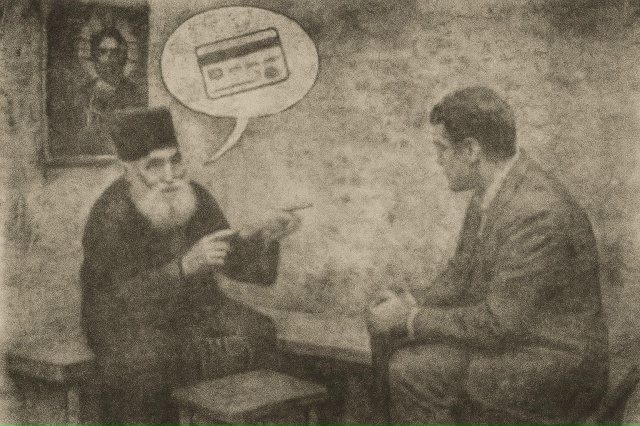
В конце 80-х афонский старец задал столичному банкиру вопрос о технологии, которой еще не существовало. Но самое страшное пророчество было не о пластике, а о том, что мы добровольно променяем на мнимое удобство.Константинос, человек цифр и банковских прогнозов, чувствовал себя на Афоне, мягко говоря, чужим. Сам он был из Афин, привык к гулу дорогих автомобилей, запаху эспрессо и шуршанию купюр. А здесь — тишина, которую можно было резать ножом, запах ладана и пыльных веков. Он приехал на Святую Гору скорее из делового любопытства, смешанного с долей скепсиса. Все говорили о неком старце Паисии, прозорливом и святом. Партнеры по бизнесу, серьезные, облеченные властью люди, рассказывали о нем с придыханием. Константиносу, чья вера была аккуратной, воскресной и не мешала будничным сделкам, это казалось преувеличением. Но он поехал.
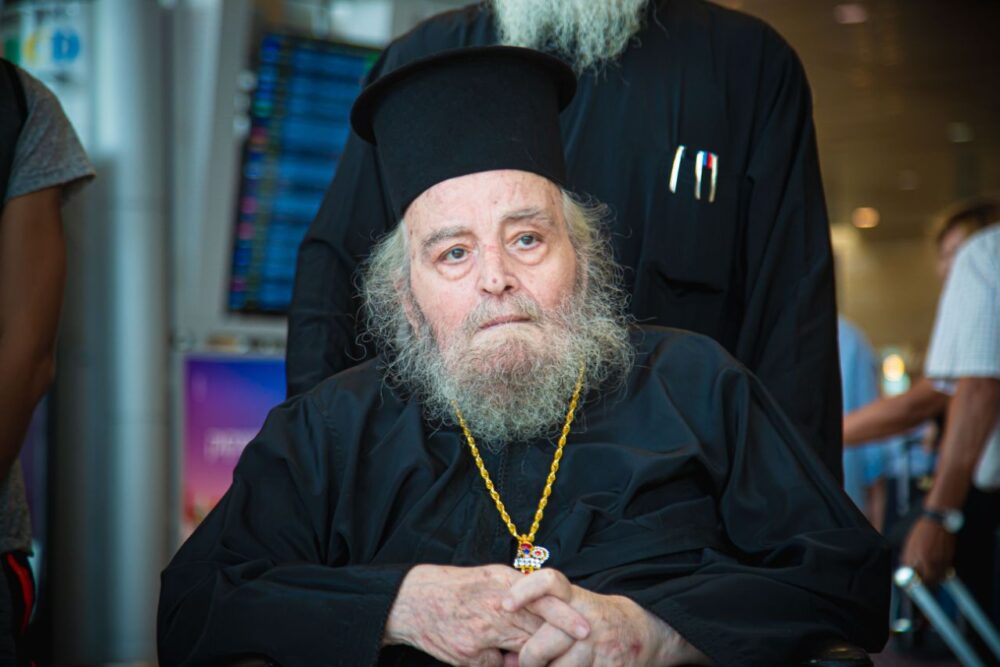
Келья старца, Панагуда, была донельзя простой. Низкая дверь, грубо сколоченная лавка. Сам старец — худенький монах в выцветшей скуфейке — показался Константиносу обычным стариком. Но глаза… Глаза смотрели так, будто видели не пиджак от хорошего портного и не дорогие часы, а всю его жизнь насквозь — с детскими обидами, юношескими ошибками и холодной усталостью взрослого человека.— Присядь, чадо, — голос у старца был тихий, но заполнял собой все пространство. — Воды испей. Дорога дальняя.
Он протянул Константиносу щербатую кружку с ледяной водой и положил на блюдце несколько кусочков лукума. Разговор потек о делах обыденных. О погоде, о здоровье родных. Константинос начал расслабляться, его столичная броня понемногу таяла. Он уже был готов откланяться, решив, что услышал достаточно вежливых общих фраз.
И тут старец, прищурив свои лучистые глаза, внезапно спросил, словно о чем-то самом обычном:— Скажи-ка мне, Константин. Ты ведь в банке работаешь, в деньгах разбираешься. Что это за карточки такие маленькие у вас скоро появятся? Люди будут ими в магазинах платить, а деньги будут со счета списываться. И наличных совсем не станет.
Константинос замер. Это был 1987 год. В Греции о таком и не слышали. Да, он знал, что где-то в Америке ведутся какие-то экспериментальные разработки «умных карт», но это было на уровне секретных отчетов, доступных единицам. Он, как передовой специалист, читал об этом в закрытой рассылке. Как мог знать об этом афонский монах, живущий в келье без электричества?— Геронда, вы о чем? — пробормотал он, чувствуя, как по спине побежал холодок. — Это… это пока только проекты. Технологии будущего. Откуда вы… Но старец его уже не слушал. Он смотрел не на Константиноса, а будто бы сквозь него, в какую-то невидимую даль. Его взгляд стал глубоким и скорбным.— Не в карточке дело, — тихо, но отчетливо произнес он. — Не в железке и не в цифре. Дело в сердце человеческом. Они скажут: «Это удобно. Это быстро. Это безопасно». И человек поверит. И возрадуется, что не нужно носить кошелек.
Он на миг замолчал, и в наступившей тишине Константиносу показалось, что он слышит гул серверных ферм из будущего.— А потом ему скажут: «Без этой карточки ты не сможешь ни продать, ни купить». И это будет та же самая карточка. И вроде бы ничего не изменилось. Удобство, и только.Но печать антихриста — это не то, что ставят силой. Страшно, когда человек сам, добровольно, вложит свою голову в этот электронный хомут… ради скидки на хлеб, ради спокойствия, ради того, чтобы «быть как все». Он не Христа предаст в тот момент, нет. Он предаст свою свободу во Христе.Он согласится, что его жизнь, его дыхание, его выбор зависят не от Бога, а от системы. Вот где ловушка. Имя Христа сотрут не с купюр — Его сотрут из сердца, заменив комфортом.
Старец перевел взгляд обратно на побледневшего банкира. В его глазах стояли слезы.— Помни это, Константин. Когда придет время, ты все поймешь. Не бойся карточки. Бойся того дня, когда ради нее ты согласишься забыть, Чей ты.
Константинос уехал с Афона другим человеком. Вернувшись в свой сверкающий афинский офис, он сел и, пока детали были остры, как осколки стекла, записал весь разговор слово в слово. Этот протокол до сих пор хранится у его семьи.Прошли годы. Константинос дослужился до управляющего, состарился. И однажды, стоя в супермаркете, он протянул кассиру свой новенький, блестящий «золотой» Visa.
И в тот момент, когда пластик коснулся терминала, он вдруг ясно и пронзительно вспомнил все: щербатую кружку, запах ладана и тихий, скорбный голос старца, который видел этот самый миг за тридцать лет до того, как он наступил. И он понял, что пророчество было не о технологии. Оно было о выборе, который каждый из нас делает каждый день.
Эта беседа, почти стенограмма, сохранившаяся в записях паломников, напоминает нам одну простую истину. Величайшая битва за душу человека происходит не на полях сражений, а в очереди у кассы, в момент тихого выбора между сиюминутным удобством и вечной, богоданной свободой.
THE PROPHECY OF AN ATHOSIAN ELDER ABOUT BANK CARDS: WHEN SPIRITUAL VISION SEES THROUGH TECHNOLOGY (The Holy Elder knew about bank cards 30 years before they appeared)
In the late 1980s, an Athonite elder asked a Moscow banker a question about a technology that didn’t yet exist. But the most dire prophecy wasn’t about plastic, but about what we would willingly trade for imaginary convenience. Konstantinos, a man of numbers and banking forecasts, felt, to put it mildly, an outsider on Mount Athos. He was from Athens, accustomed to the hum of expensive cars, the smell of espresso, and the rustle of banknotes. But here—a silence you could cut with a knife, the scent of incense and the dust of centuries. He came to the Holy Mountain more out of business curiosity, mixed with a bit of skepticism. Everyone was talking about a certain Elder Paisios, a clairvoyant and holy man. His business partners, serious men in positions of power, spoke of him with bated breath. To Konstantinos, whose faith was meticulous, Sunday-like, and didn’t interfere with everyday dealings, this seemed an exaggeration. But he went. The elder’s cell, Panaguda, was incredibly simple. A low door, a crudely built bench. The elder himself—a thin monk in a faded skullcap—appeared to Konstantinos to be an ordinary old man. But his eyes… His eyes looked as if they saw not a tailor-made jacket or an expensive watch, but his entire life—with its childhood grievances, youthful mistakes, and the cold weariness of an adult. «Sit down, child,» the elder’s voice was quiet, but filled the air. «Drink some water. The journey is long.» He handed Konstantinos a chipped mug of ice water and placed a few pieces of Turkish delight on the saucer. The conversation turned to mundane matters: the weather, the health of his family. Konstantinos began to relax, his urbane armor gradually melting away. He was about to take his leave, deciding he’d heard enough polite platitudes. Then the old man, narrowing his radiant eyes, suddenly asked, as if asking the most ordinary question: «Tell me, Konstantinos. You work in a bank, you know about money. What kind of little cards are you getting soon? People will use them in stores, and the money will be debited from their accounts. And there will be no cash at all.» Konstantinos froze. It was 1987. In Greece, such things were unheard of. Yes, he knew that somewhere in America, some experimental development of «smart cards» was underway, but that was at the level of classified reports, accessible to only a few. He, a leading specialist, had read about this on a private mailing list. How could an Athonite monk, living in a cell without electricity, know about this? “Geronda, what are you talking about?” he muttered, feeling a chill run down his spine. “These… these are just projects for now. Technologies of the future. Where are you from…” But the elder was no longer listening. He wasn’t looking at Konstantinos, but as if through him, into some invisible distance. His gaze became deep and mournful. “It’s not about the card,” he said quietly but clearly. “It’s not about the hardware or the digital technology. It’s about the human heart. They’ll say, ‘It’s convenient. It’s fast. It’s safe.’ And the person will believe it. And they’ll rejoice at not having to carry a wallet.” He paused for a moment, and in the ensuing silence, Konstantinos seemed to hear the hum of server farms from the future. “And then they’ll tell him, ‘Without this card, you won’t be able to sell or buy.’” And it will be the same card. And it seems like nothing has changed. Convenience, and nothing more. But the seal of the Antichrist isn’t something imposed by force. It’s terrifying when a person voluntarily, willingly, places their head in this electronic yoke… for a discount on bread, for peace of mind, for the sake of «being like everyone else.» He won’t betray Christ at that moment, no. He will betray his freedom in Christ. He will agree that his life, his breath, his choices depend not on God, but on the system. That’s the trap. Christ’s name won’t be erased from banknotes—He will be erased from the heart, replaced by comfort. The elder turned his gaze back to the pale banker. Tears welled in his eyes. «Remember this, Konstantin. When the time comes, you will understand everything. Don’t fear the card. Fear the day when, for its sake, you agree to forget whose you are.» Konstantinos left Athos a different man. Returning to his gleaming Athenian office, he sat down and, while the details were as sharp as shards of glass, wrote down the entire conversation word for word. His family still keeps this transcript. Years passed. Konstantinos rose to the rank of manager and grew old. And one day, standing in a supermarket, he handed the cashier his shiny new gold Visa. And at the moment the plastic touched the terminal, he suddenly remembered everything clearly and piercingly: the chipped mug, the smell of incense, and the quiet, mournful voice of the old man who had seen this very moment thirty years before. And he understood that the prophecy wasn’t about technology. It was about the choices each of us makes every day. This conversation, almost a transcript, preserved in the pilgrims’ notes, reminds us of one simple truth. The greatest battle for a man’s soul takes place not on the battlefield, but in the checkout line, in the quiet moment of choice between momentary convenience and eternal, God-given freedom.